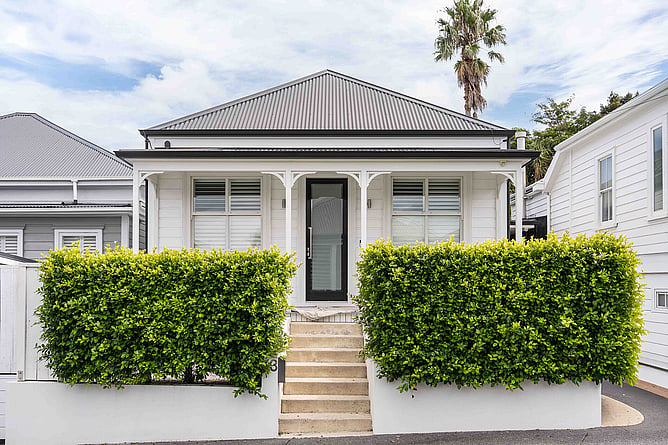
House painting cost NZ (2026): Disciplined investment for Auckland heritage homes
How much will this actually cost you in Auckland? If you own a character or heritage home, this is not a question you can answer from a photo or a quick back‑of‑envelope estimate. Instead, you want certainty: a human diagnosis, a scoped plan, and a quote that names risks rather than ignores them.
Below you’ll find realistic cost ranges, the hidden items that change budgets, the exact checklist to compare proposals, and links to real Wall Treats projects that show this process in action.
What really drives price for heritage homes (and why that matters)
Let’s be direct: paint is affordable; diagnosis and repair are not. So when you’re comparing quotes, the important question is not “who’s cheapest?” but “who has identified the risks and developed mitigation strategies that will make the job durable?” The five levers that move price on a heritage house are:
Substrate condition - the invisible risk: If there is timber rot, moisture ingress or poor prior repairs, a recoat becomes a redundant expense. What keeps the building standing is no longer effectively doing its job. Therefore, insist on a written diagnosis with photos before you accept any price.
Access and scaffold - safety is a fixed cost: Scaffold and certified access add predictable and usually ungratifying cost, but they prevent shutdowns, claims and unsafe work. WorkSafe guidance makes scaffold practice non‑negotiable for many Auckland character houses (see WorkSafe NZ guidance on scaffolding and working at height).
Finish level - two‑coat refresh vs high preparation finish: A simple two‑coat refresh is not the same as a Level‑5, photography‑ready finish. The latter needs more prep, more skilled application and more time.
Joinery and detail - where the eye goes first: Sash windows, cornices, fretwork and detailed fireplace mantels add specialist time. Ask whether joinery will be stripped and sprayed, or painted in situ. The hands from a bygone age chisel these details to be regular, organic and impossible to fake convincingly.
Governance, QC and warranty - paying for certainty: Owner‑led governance, documented QC checkpoints and a named on‑site owner look like extras on paper. In practice, they are investments that prevent rework and bring peace of mind.
Interior painting costs - Auckland ranges (2026)
Use the ranges below as planning anchors for Auckland heritage homes. A site diagnosis will confirm scope and price.
Space | Typical Interior Ranges (NZD) |
|---|---|
Small bedroom (10–12 m²) | $900 – $1,800 |
Master bedroom (16–20 m²) | $2,000 – $3,000 |
Living room / lounge (25–40 m²) | $3,500 – $5,500 |
Hallways & stairwells (per stairwell) | $1,200 – 2,500 |
Ceilings (per room) | $1,200 – $1,800 |
Cabinetry / wardrobes (per run) | $2,000 – $3,000 (spray finishes cost more) |
Note: Two identical rooms can cost very differently. That’s why a human diagnosis matters - it converts guesswork into a scoped plan.
Exterior painting costs - where hidden repairs change the quote
Exterior work has the greatest variability because defects reveal themselves during prep. Expect surprises without a full inspection.
Project Type | Typical Exterior Ranges (NZD) |
|---|---|
Single‑storey weatherboard recoat | $15,000 – $28,000 |
Plaster / monolithic repair + paint | $10,000 – $25,000 |
Full heritage restoration (specialist joinery & sash work) | $30,000+ |
Remember: moisture and timber rot are the most common, costly surprises. Also, changing to a dramatically different colour often requires extra priming and coats - that should be an itemised line in any responsible quote.
How to evaluate quotes - the diagnosis & scope checklist you can use now
You’re short on time, so treat every quote like due diligence. Below is the exact checklist to compare proposals quickly and confidently.
A disciplined quote must include:
Documented diagnosis: written notes, photos and moisture readings (when relevant).
Itemised scope and exclusions: diagnosis, remedial works, surface prep, primer and topcoat brands & coat counts.
Programme and milestones: realistic dates for prep, primer, inspections and final coat.
Quality gates: documented inspections and photographic sign‑offs between coats.
Scaffold, insurance and WorkSafe compliance details.
Named accountability: who plans and who is on site.
Clear warranty and variation rules.
Red flags - probe or walk away:
Vague lump sums with no diagnosis.
“We’ll price variations later” as routine wording.
No scaffold or insurance evidence.
No named on‑site owner.
No QC process or warranty.
You don’t have time - what a trusted site visit gives you
Because you’re comparing quotes, the highest‑leverage step is a site visit. In 45 – 60 minute site visit a skilled assessor will produce a Diagnosis Report that saves you time and money later. Expect:
What a 45–60 minute site visit delivers:
Substrate inspection with photos and moisture testing if required.
A preliminary, itemised list of remedial tasks and recommended coating systems.
Scaffold and access guidance plus a realistic programme.
A clear next step: an itemised, risk‑aware quote.
Wall Treats’ policy: we produce bespoke, itemised quotes only after an on‑site diagnosis. Heritage homes are unique; a human needs to look.
Proof in practice - projects you can inspect
If you want a sense of how this process plays out, look at case studies where diagnosis changed scope and protected budgets. Examples from the Wall Treats portfolio show this in action: the Parnell project and Remuera restorations demonstrate substrate‑first remediation and careful sequencing (see our work gallery).
“Accurate budgets start with a human inspection. We scope risks, name remedial work and show you exactly where your budget is going - that clarity is how we protect your investment.”
Ashley Wong, co‑founder, Wall Treats
Why Wall Treats: disciplined investment and calm delivery
We approach heritage homes as custodians: diagnosis first, then a plan that protects the whole building. Our owner‑led governance and substrate‑first philosophy mean the quote you receive is designed to protect value, not obscure risk.
Quick checklist - what to insist on when you request a price:
A written Diagnosis Report with photos.
Itemised scope showing prep, primer and topcoat counts and brands.
Scaffold, insurance and WorkSafe compliance evidence.
Named planning and on‑site owners.
Photographic QC gates and a defined workmanship guarantee.
FAQ
What is the biggest cost driver on an exterior job?
Substrate repair - moisture, rot and damaged sills - and whether certified scaffold is required. (See WorkSafe guidance on scaffolding and working at height.)
How should I compare two painter quotes?
Compare diagnosis notes, itemised scope, programme milestones, QC gates and named accountability.
Will the quote change after work starts?
Only if the diagnostic inspection uncovers legitimate issues. A good contractor separates known scope from potential variations and explains the variation pricing process.
Next Step (Auckland)
If you want a quote that protects your house and your budget, arrange a site visit for a Diagnosis Report and an itemised proposal: Arrange a site visit.
30–45 minute diagnosis, itemised proposal - no surprises. We’ll only call to schedule the visit - no pressure, no spam.

